
BLOG
Why Emerging Commercial Corridors Are Redefining the Future of NCR
For decades, commercial real estate followed a predictable script: central business districts, premium addresses, and rising congestion priced in as the cost of prestige. That script is now being rewritten. Across NCR, emerging commercial corridors are quietly becoming the new centers of gravity—designed, connected, and built for what businesses actually need next.
This shift is not accidental. It is the result of infrastructure-led planning, evolving work patterns, and a more discerning investor mindset. Businesses today are less impressed by pin codes and more focused on performance—of people, assets, and long-term value.
The Decline of the Overcrowded Core
Traditional commercial hubs did their job well—until they didn’t. Saturation brought diminishing returns: rising costs, limited scalability, and daily inefficiencies masked as “prime location premiums.” For many enterprises, the math no longer works.
Emerging corridors offer a reset. These districts are conceived with capacity, clarity, and connectivity at their core. Wider roads, smarter zoning, and room for expansion are no longer luxuries; they are baseline requirements for modern operations.
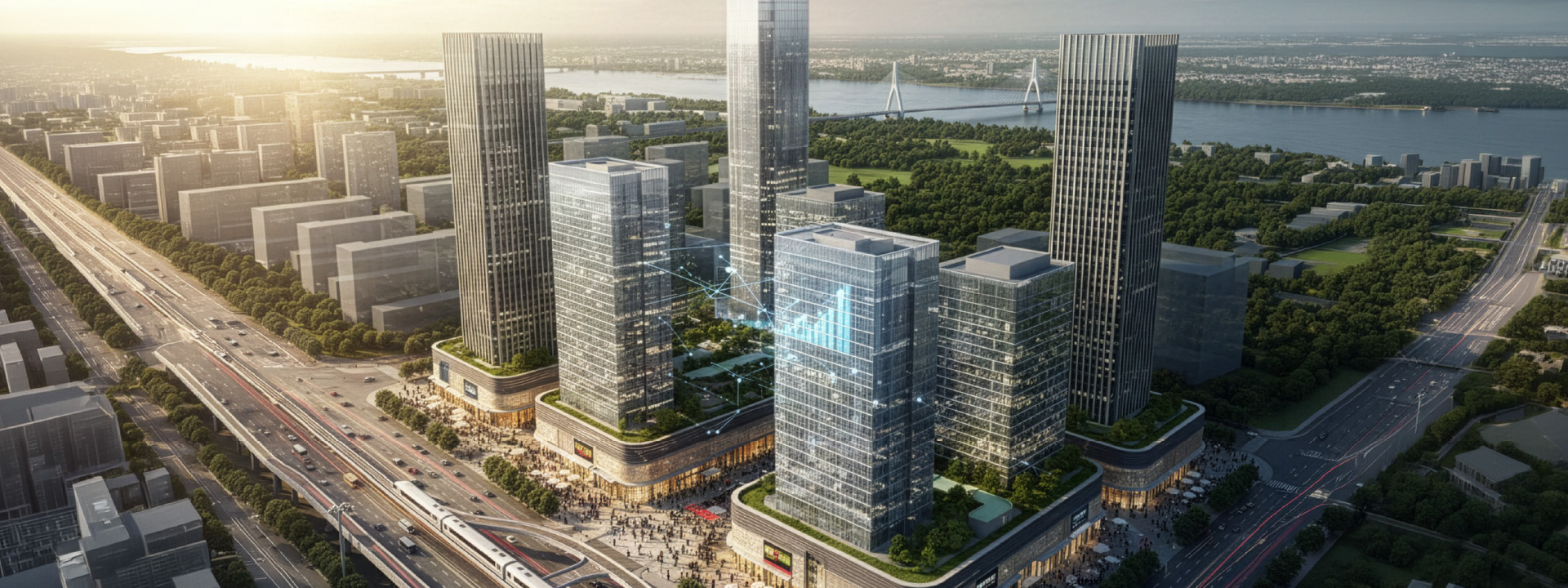
Infrastructure First, Real Estate Follows
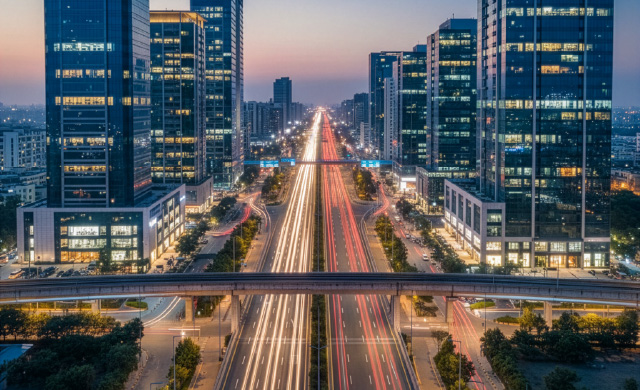
One clear pattern defines successful commercial growth: infrastructure leads, real estate responds. Expressways, rapid transit networks, freight corridors, and institutional clusters create natural demand for offices, retail, and services.
When connectivity improves, talent mobility increases. When accessibility improves, businesses follow. Commercial corridors anchored by infrastructure enjoy more stable demand because they are not reliant on speculation—they are supported by daily economic activity.
This is why emerging zones often outperform legacy districts over time. They are built around how cities move today, not how they moved twenty years ago.
Businesses Are Choosing Ecosystems, Not Addresses
Modern enterprises look beyond square footage. They evaluate the surrounding ecosystem:
- Is the area accessible for employees and clients?
- Does it support daily business activity beyond office hours?
- Is there room to grow without relocating every few years?
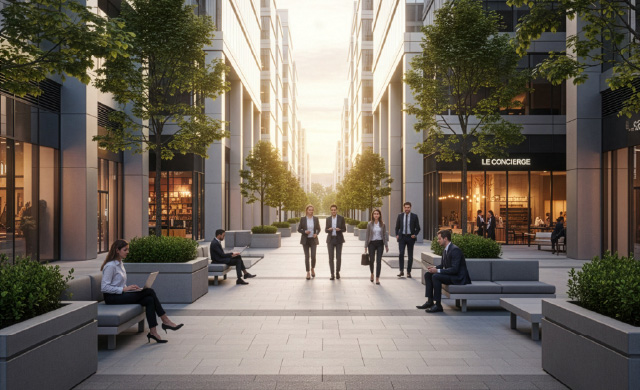
Emerging commercial corridors tend to answer these questions better. Planned development allows for balanced mixes of office spaces, support retail, and essential services—creating districts that function throughout the day rather than switching off after work hours. For businesses, this translates into higher productivity and stronger brand presence. For investors, it signals sustainable occupancy rather than volatile demand.
The Investor’s Advantage: Entering Before the Curve Peaks
Seasoned investors understand that the most reliable gains come before a location becomes obvious. Emerging corridors sit at that sweet spot—past the risk-heavy early stage, but well before maturity pricing sets in.
These zones benefit from:
- Gradual, demand-led appreciation
- Strong rental potential driven by institutions and enterprises
- Lower volatility compared to saturated markets
Importantly, value here is built on planning and participation, not speculation. That distinction matters more than ever in a cautious, data-driven investment environment.
Future-Proofing Commercial Assets
Perhaps the strongest case for emerging corridors is future readiness. Cities are expanding outward, not upward alone. Commercial districts that align with this expansion benefit from relevance across business cycles.
Flexibility, scalability, and long-term usability are becoming more valuable than sheer prominence. Corridors designed with these principles tend to age better, adapt faster, and remain commercially viable longer.
Looking Ahead
The future of NCR’s commercial real estate will not be defined by where the city was, but by where it is going. Emerging commercial corridors represent that direction—measured, infrastructure-backed, and aligned with real economic movement.
For businesses seeking operational advantage and investors seeking durable value, the message is clear: the next generation of landmarks is already taking shape—just not where everyone is still looking.